
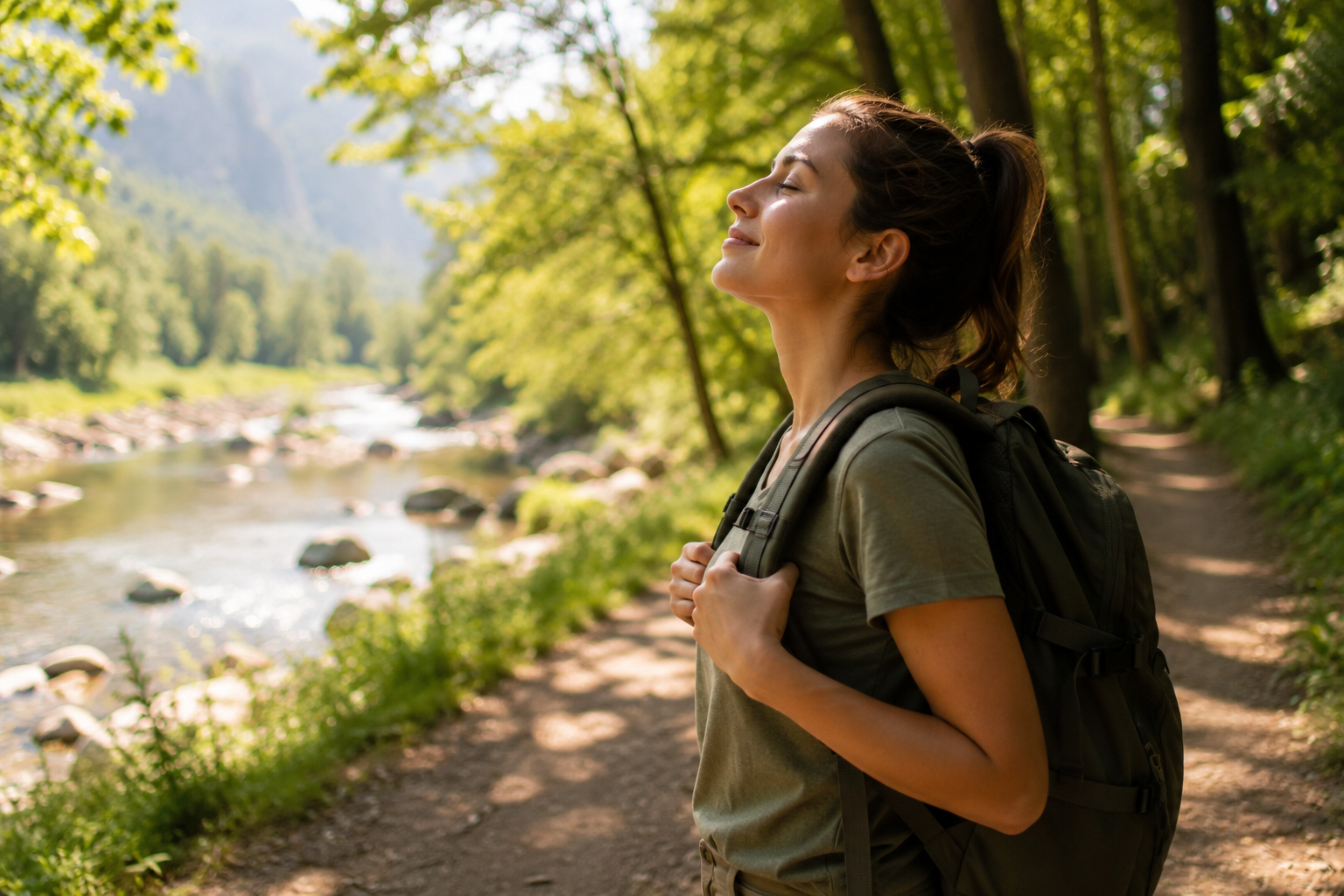
In our modern, screen-filled world, it’s easy to forget the healing power of something as simple as being outside. Whether you’re walking through a forest, sitting by a lake, or simply feeling the breeze on your face, time spent in nature has a profound impact on your physical, mental, and emotional well-being.
This article explores the science-backed benefits of connecting with nature — and how even a few minutes a day outdoors can help you feel better, think clearer, and live more fully.
1. Reduces Stress and Cortisol Levels
Nature has a calming effect on the nervous system. Studies show that just 20 minutes in a natural setting:
- Lowers cortisol (the stress hormone)
- Decreases heart rate and blood pressure
- Promotes feelings of calm and clarity
This is why “forest bathing” (a Japanese practice called shinrin-yoku) is gaining global popularity — it works.
2. Improves Mood and Reduces Anxiety
Being outdoors — especially in green or blue spaces (like parks, forests, or near water) — is linked to:
- Increased serotonin and endorphins
- Reduced symptoms of anxiety and depression
- A greater sense of joy and presence
Nature offers space to breathe, release, and reconnect — especially when life feels overwhelming.
3. Boosts Immune Function
Time in nature can enhance your immune system by:
- Increasing natural killer cell activity (cells that fight infections and cancer)
- Reducing chronic inflammation
- Supporting gut health through microbial exposure
Fresh air, sunlight, and contact with natural microbes help your body stay balanced and resilient.
4. Enhances Focus and Mental Clarity
Feeling mentally foggy? Step outside.
Spending time in natural environments:
- Restores attention span
- Improves memory and problem-solving
- Reduces symptoms of ADHD and mental fatigue
Even looking at natural scenes through a window can boost cognitive function.
5. Supports Better Sleep
Natural light exposure — especially in the morning — helps regulate your circadian rhythm, which controls your sleep-wake cycle.
Being outdoors helps:
- Increase daytime alertness
- Improve melatonin production at night
- Support deeper, more restful sleep
Try getting sunlight within the first hour of waking to “set your clock” for the day.
6. Encourages Physical Movement
Nature invites movement — walking, hiking, biking, swimming — in a way that feels enjoyable and sustainable.
Outdoor activity:
- Strengthens the body
- Reduces sedentary time
- Improves cardiovascular and muscular health
Bonus: Movement + nature = double the benefits for mood and energy.
7. Cultivates Connection and Perspective
Spending time outdoors reminds you:
- You’re part of something bigger
- Life moves in cycles — just like the seasons
- Stillness and beauty are always accessible
Whether you’re watching birds, listening to water, or feeling wind in your hair, nature grounds you in the present moment.
How to Spend More Time in Nature (Even in the City)
- Take walks in local parks
- Sit on a balcony or in a garden
- Practice yoga or stretching outdoors
- Read or journal under a tree
- Watch the sky at sunrise or sunset
- Visit natural spots on weekends (hikes, lakes, beaches)
- Bring nature indoors with houseplants or nature sounds
You don’t need a mountain — even a tree-lined street can provide calm.
Start Where You Are — and Step Outside
You don’t have to be a nature lover or outdoorsy adventurer to benefit from time outside.
Just a few minutes a day in natural light and fresh air can reset your nervous system, lift your mood, and make you feel more human.
So go ahead — open the door, breathe deep, and let the earth take care of you.