
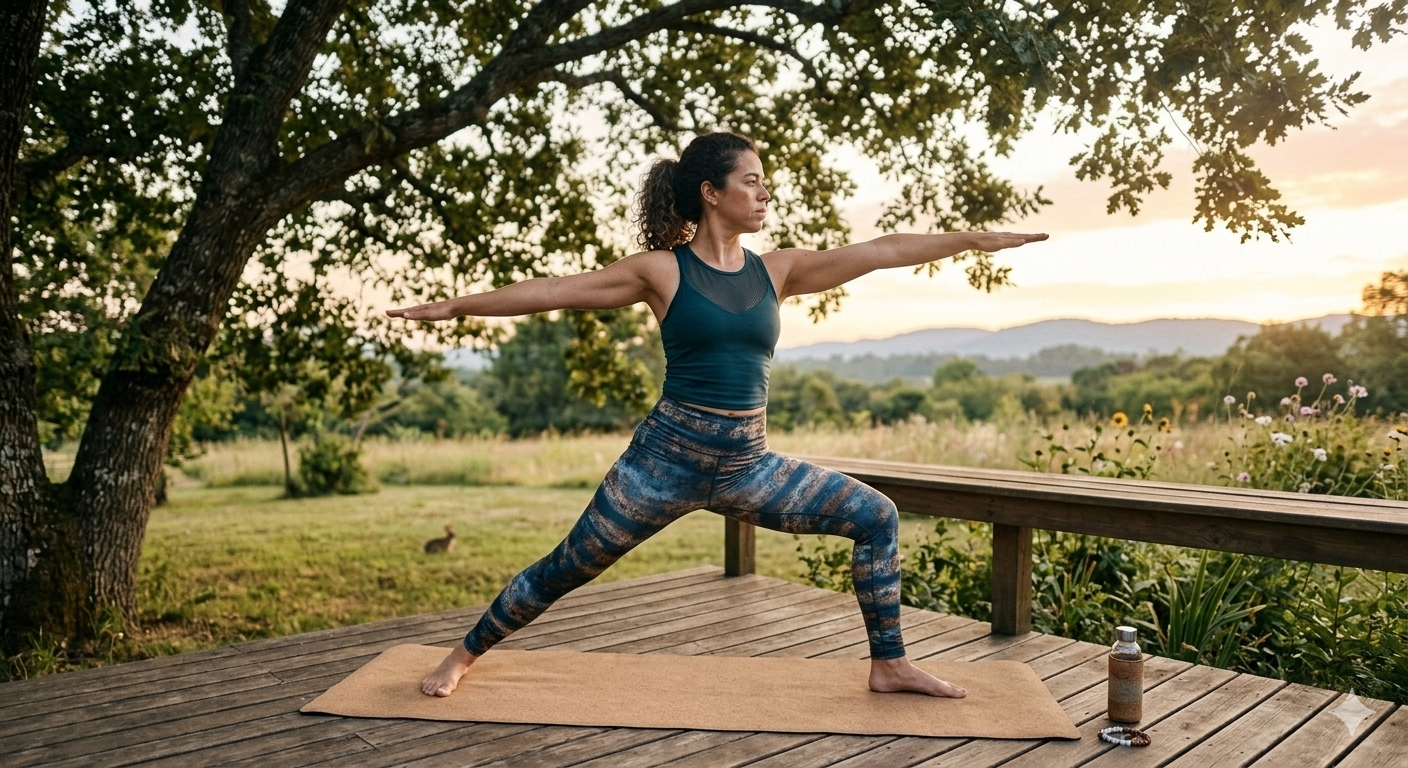
Yoga has been practiced for thousands of years, but in today’s fast-paced world, its relevance is stronger than ever. Unlike many fitness routines, yoga isn’t just about stretching or building strength — it’s a holistic practice that unites the body, mind, and breath.
Whether you’re a complete beginner or returning to your mat, this article will show you how yoga supports your physical health, mental well-being, and emotional balance — and why it’s worth incorporating into your daily life.
What Is Yoga, Really?
Yoga is an ancient practice that originated in India and includes physical postures (asanas), breathing techniques (pranayama), and meditation or mindfulness practices.
Its goals go far beyond flexibility. At its core, yoga is about:
- Creating awareness of your body and thoughts
- Connecting with your breath to calm the mind
- Building strength, balance, and inner peace
You don’t have to be flexible, spiritual, or athletic to start — yoga meets you exactly where you are.
Physical Benefits of Yoga
1. Improves Flexibility and Mobility
One of the most obvious benefits, regular yoga gently stretches tight muscles and joints, making everyday movements easier and reducing stiffness.
Even just 10–15 minutes a day can lead to noticeable changes over time.
2. Builds Strength and Stability
Many yoga poses use body weight resistance, helping to tone muscles, especially in the core, legs, and arms.
Poses like plank, downward dog, and warrior builds:
- Muscle endurance
- Joint stability
- Functional strength for daily tasks
3. Enhances Posture and Spinal Health
With more screen time and sitting, posture problems are common. Yoga:
- Strengthens the back and core
- Teaches spinal alignment
- Eases tension in the neck and shoulders
4. Boosts Circulation and Immunity
Yoga movements support healthy blood flow, improve lymphatic drainage, and help detoxify the body naturally.
This strengthens your immune response and helps prevent inflammation-related issues.
5. Supports Better Breathing
Breath control is central to yoga. By learning to breathe more deeply and slowly, you:
- Improve lung capacity
- Reduce shortness of breath
- Calm your nervous system
Mental and Emotional Benefits
1. Reduces Stress and Anxiety
Yoga lowers cortisol, the body’s main stress hormone. It helps regulate your nervous system, moving you from “fight or flight” into a calmer “rest and digest” state.
Practicing yoga regularly leads to:
- Less emotional reactivity
- A stronger sense of inner calm
- Better coping mechanisms during hard times
2. Improves Focus and Clarity
Many yoga styles include meditation or mindfulness elements that:
- Train your attention
- Increase mental clarity
- Reduce mental clutter
Even a short breathing session after yoga can bring more calm to your day.
3. Enhances Mood and Emotional Balance
Yoga increases serotonin and GABA — chemicals in the brain that stabilize mood and help you feel more grounded.
Some studies even show yoga can reduce symptoms of mild depression.
Yoga and Sleep Quality
Yoga can prepare your body and mind for rest by:
- Easing physical tension
- Slowing your breath
- Calming racing thoughts
Practicing restorative poses or gentle stretching before bed helps many people fall asleep faster and sleep more deeply.
Try this mini bedtime flow:
- Legs-up-the-wall pose
- Child’s pose
- Supine twist
- Deep breathing (4-7-8 technique)
Yoga Is for Every Body
Forget the Instagram myth — yoga is not about complicated poses or extreme flexibility.
You can start with:
- Chair yoga if you have mobility limitations
- Gentle hatha or yin yoga if you’re looking for calm and healing
- Vinyasa if you enjoy fluid movement and a bit more energy
- Restorative yoga for deep relaxation and stress relief
All you need is a mat, comfortable clothes, and a willingness to show up.
How to Start Your Yoga Journey
- Begin small: 5–10 minutes a day is enough
- Follow beginner videos online (Yoga with Adriene is a great free option)
- Listen to your body — modify poses as needed
- Focus on consistency, not perfection
- Avoid comparison — every journey looks different
If possible, attend a live class occasionally to receive guidance and feedback from a teacher.
Yoga Is More Than Movement — It’s Self-Care
Whether you’re stretching your body, calming your breath, or simply sitting in stillness, yoga is a form of healing and self-connection. It teaches patience, resilience, and acceptance — both on and off the mat.
Start today. Breathe deeply. Move gently. Let yoga bring you back to yourself.